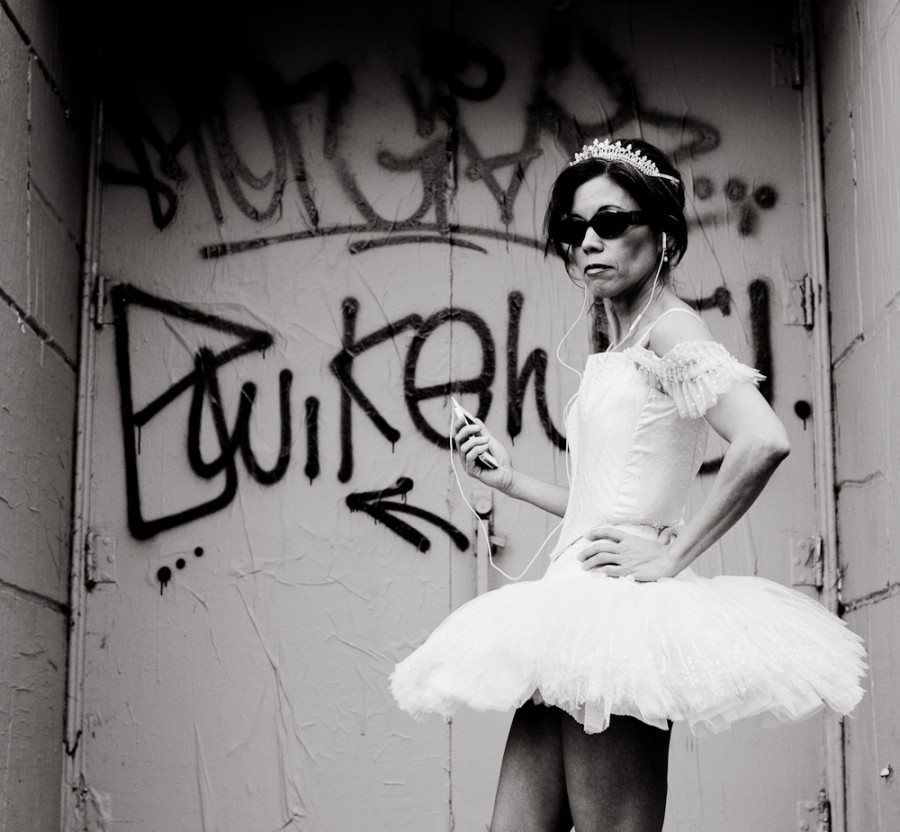
Last week, in The New York Times survey of “the best of dance” in 2015, Gia Kourlas saluted Misty Copeland, dubbing her “ballet’s new Billy Elliot,” but called her out on her fouetté turns, saying “she needs to fix them.”
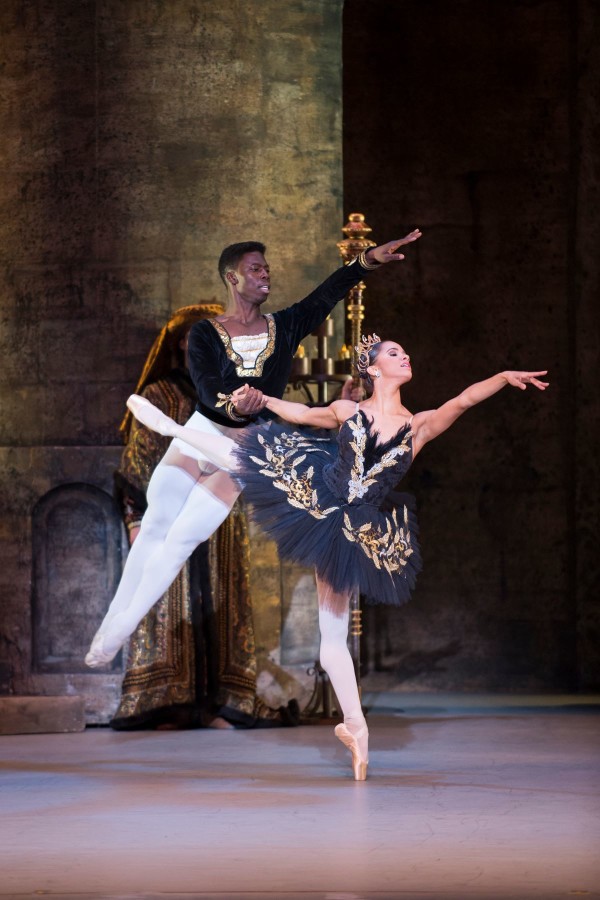
Amid the vast array of technical foibles and demonstrations of bad taste that littered the ballet landscape in 2015, Misty Copeland’s fouetté turns should not rank very high as a target for sharpshooting critics.
It’s time to bid those 32 fouettés adieu (understanding that we mean any number over eight successive whipping turns – because that’s the threshold at which today’s attention-deficit audiences start yawning and checking their Twitter feeds. And, if you are one of those obsessive balletomanes who entertain themselves by counting the wretched things, you know that few ballerinas actually do 32, because many of them are off the music. Then there are those who throw in the occasional double and triple – because they can, not because the music calls for it.)
Those 32F are now 122 years old and it’s time choreographers worked a little harder to invent new stuff.
They were no doubt miraculous back in 1893 when Italian firecracker Pierina Legnani pioneered them, throwing them into Cinderella. But now they’ve been in the repertoire for ages, growing mold, and training methods have improved to the point where many dancers without any other outward signs of artistry can pull them off.
Few ballerinas do them acceptably, however.
All the rest should hone their exit strategies – as Misty Copeland did admirably in her maiden outing as Odile with Washington Ballet at the Kennedy Center in April. As Ballet to the People reported, when Copeland’s fouettés started to travel (a no-no in Swan Lake) she switched seamlessly to single pirouettes – each push-off from fifth position a fiery stamp, befitting the seductress Odile, and right on the music.
Other prima ballerinas exit to piqué or chaîné turns. Whatever the strategy, it has to have that air of “I meant to do that.” The replacement step has to be in character and convey the same sensation – either a tornado of malice (Swan Lake) or an expression of euphoria (Don Quixote).
Sara Mearns yielded a textbook example of a weak exit strategy on opening night of Peter Martins’ Swan Lake this past season. She fell out of the fouettés, tried to climb back in, and fell out of them again with a conspicuous bobble. Rarely does re-entry into 32F succeed. In Mearns’ case, the staggering beauty of the rest of her performance diminished the contretemps. She is, after all, one of the greatest living interpreters of the role. She should not have to wrestle with 32F. She could emulate the great Maya Plisetskaya, who ignored them completely, simply replacing them with an electrifying sequence of piqué and chaîné turns en manège. (Mearns’ piqué turns are smoking, as she demonstrated in Liebeslieder Walzer, just a week after Swan Lake.)
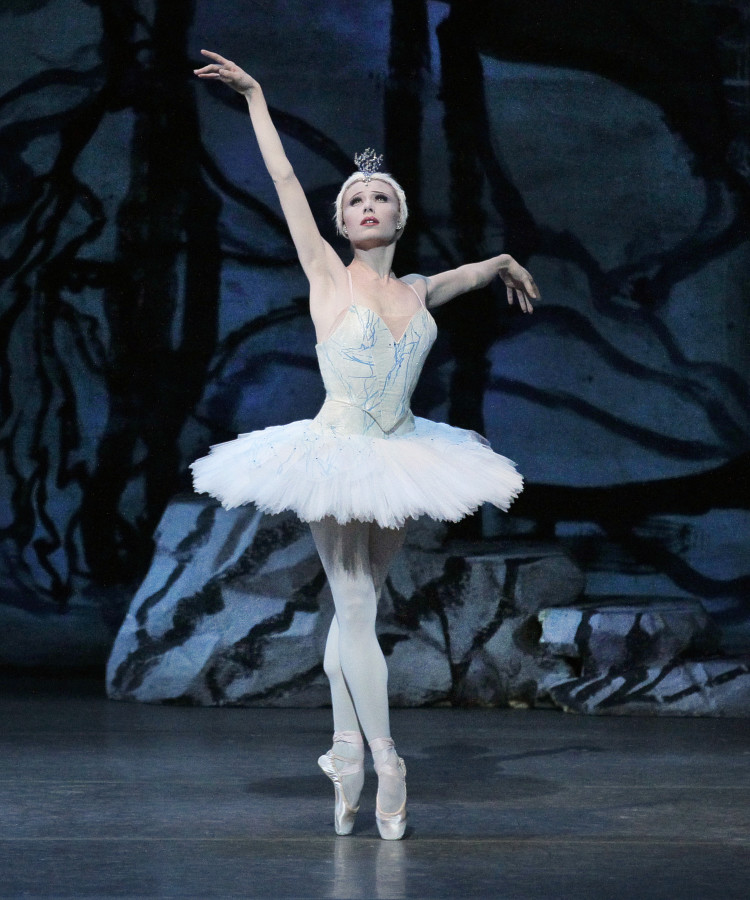
Check out Plisetskaya’s turns en manège which start at 5:25:
Above all, 32F or their replacements must look as if they spring right out of the music. (A seasoned conductor will attempt to keep pace with an errant ballerina, but there is finite elasticity in an iconic score like Swan Lake.) Ballerinas who treat this episode in the music as a faint suggestion, or as ambient sound, should be called out – it doesn’t matter if they can throw in a triple or cartwheel in the middle. Without musicality, 32F becomes gymnastics, not ballet.
Many ballerinas who manage to stay in the fouettés show signs of strain – spooked faces, hiked shoulders, rigid arms, floppy feet – there is a litany of things that commonly ruin 32F, apart from abandoning the music.
The few who have managed to keep us interested in 32F tend to put their distinctive signature on the sequence. Xiomara Reyes has a captivating way with her fan in Don Q and Natalia Osipova is so damn reckless that we know she is going to push herself off-balance, just for the fun of the challenge. Watch as she does it here at 9:15, then pulls herself right back on top of her leg. Our hearts melt as, inevitably, we forgive her untidiness.
The gold standard was set a generation ago by the fiery Nina Ananiashvili, at a speed few can match today:
Today, Marianela Nuñez slows it down so she has time for doubles, and we have more time to bask in her regal smile:
https://youtu.be/XfmSv0z205s?si=CTGoA8H9yW6P3oNZ&t=35
While Odile’s fouettés are supposed to stay rooted to one spot, Cinderella’s are meant to travel. Here is the incomparable Viengsay Valdes showing how it’s done with the added complication of changing spots (or focus): (fouetté sequence starts at 1:23:23)
And, fresh out of the Vaganova Academy this year, the Mariinsky’s wide-eyed Renata Shakirova makes us think we just might start caring about 32F again: (her turns starts @ 0:30)


Leave a Reply to Paul Thomas Cancel reply